Granite State Games rolling ahead into second year
Granite State Games are rolling ahead into second year.

David Hedge likes to keep an eye on all things involved with high school athletics.
When he heard that an event would be forming in New Hampshire similar to the Bay State Games in Massachusetts, Hedge was intrigued, but also a bit curious.
Softball, the sports Hedge coaches at Windham High School, wasn’t included in the first year of the Granite State Games.
“I think it was last fall or winter, I reached out and asked if there was any interest in adding softball,” said Hedge, who is also the president of the New Hampshire Softball Coaches Association. “They immediately said yeah, are you interested? I said absolutely.”
And so this year, softball – along with golf – will join a lineup of six other sports as part of the second Granite State Games.
Modeled after summer sporting events in other states, the Granite State Games are an Olympic-style competition open to all New Hampshire athletes in grades 8-11. The state is divided into four regions representing the South, Coastal, Monadnock and Lakes regions, with teams made up of athletes from those areas.
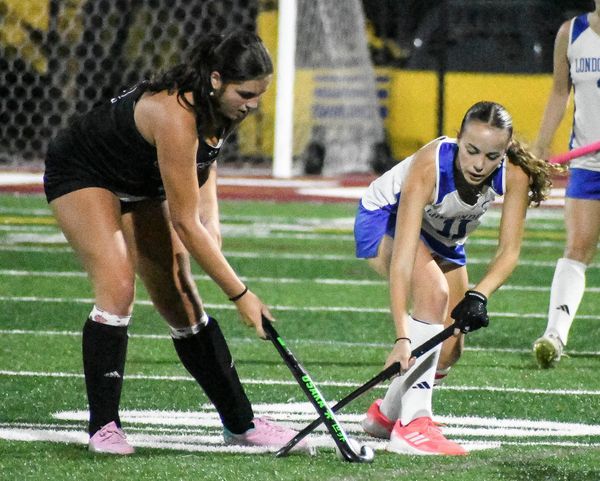
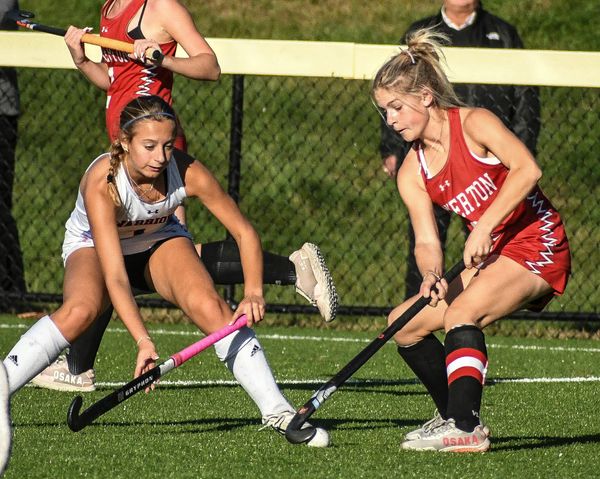
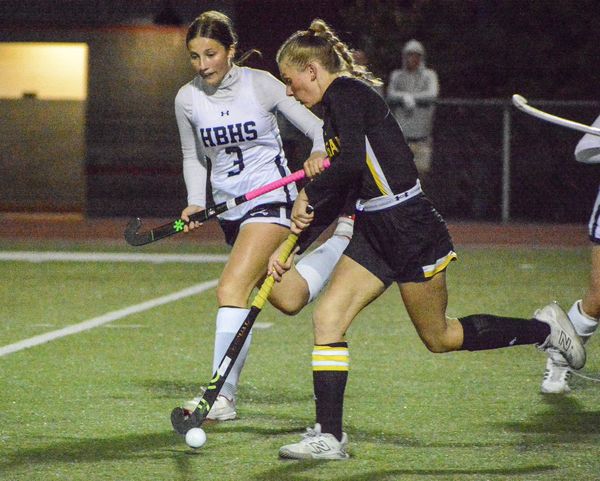
The second games are scheduled to begin on June 20 and finish up on June 26, and teams will compete in boys and girl basketball, boys and girls lacrosse, boys and girls lacrosse, girls field hockey, girls volleyball, softball, golf and boys and girls track.
After over eight hundred New Hampshire athletes participated in 2015, Patrick Mulcahy, the chief executive director of GSG, anticipates that close to a thousand will take part in the second year.
“Last year was great, it was a lot of work, obviously, but we had 823 student athletes from around the state participate,” said Mulcahy, who is also the girls soccer coach at Bishop Guertin. “I wouldn’t say we hit a home run because we definitely made some mistakes and hopefully we’ll fix them.
“But we did a nice job making sure that the Ts were crossed and the Is were dotted. We had great participation in all six sports. We had all four regions in each sport filled. The games were competitive. I was really happy with the parity among the players around the state.”
Going into the first year, the biggest fear among those in charge of the games was the potential for competitive imbalance. It turned out to not be a problem.
“I thought going into it, the South and the Coastal teams might be the more powerful teams because they had the bigger schools,” Mulcahy said. “They did win some, but the Monadnock team won boys basketball and boys soccer, the Lakes girls won lacrosse. We had some nice parity, which was cool to see.”
Although there were challenges getting information about the games out to the public, there was also a lot of interest among athletes and coaches.
“These athletes and the volunteer coaches were there because they wanted to be,” said Wendy Sage-Matsis, the games’ assistant treasurer. “They wanted to play their sport with their teammates and rivals and the energy and excitement was noticeable. It was the coolest feeling to be a part of what was taking place.”
Leading up to the games, that was something that the sports directors couldn’t be sure was going to exist. But it did last year, and was the case for Hedge during the tryouts for softball.
“That’s the nerve-wracking part,” he said. “You can have the grandiose ideas, and then all of a sudden no one shows up. To see the underclassmen come out, and the numbers that came out for the first year, are very encouraging.”
While the softball and field hockey teams have already been chosen, tryouts for the other sports are still going and should finish before the end of April.
“It’s cool to see all the kids come out,” Mulcahy said. “Being a bit impartial, I always like soccer because I know those kids, so I’m interested to see who tries out, and see how the teams shape up.”
When putting the games together, Mulcahy tried to find the best window to do so, given that the majority of participants would already be involved in high school, AAU or some other travel team. He settled on the end of June because it seemed like the closest thing to a perfect weekend.
“Because there are so many moving parts with kids, there is never a good weekend to do it,” he said. “School just ended, it’s right before Fourth of July, but we had to adjust the lacrosse schedule and the softball schedule to do it during the week because there are big showcase tournaments that weekend. We’re trying to be flexible to give those kids the opportunity to play, but still be sensitive to the fact they’re playing for a travel team and they have a tournament that weekend.”
Each team is limited to no more than three practices before the games begin, and most of those ended up being meet-and-great opportunities last year. Mulcahy likes the idea of athletes who are rivals during the high school year teaming up to participate in the games.
“I think it was fun for them to compete with the kids that they compete against during the school year,” he said. “This gives them an opportunity to play against everyone and compete.”
Despite the success of the first year, the biggest challenge has remained getting the word out about the games.
“The biggest challenge was spreading the word about who we were and what we were all about,” said treasurer Michelle Demirjian. “With the games being new to the state, we were aware of the challenge in front of us. The second year has been easier and I think that by year three we will have overcome this hurdle.”
If the softball tryouts were any indication, the games are heading in the right direction in that aspect.
“We had well over a hundred kids that signed up to tryout,” Hedge said. “Some kids came from all the way up North to Nashua to try out for the games. I’m very excited to see the interest.”